Halloween Bingo for every age
Our Halloween bingo works for young (3x3 with big images) and old (5x5 for adult Halloween drinks). Every card gets a random selection from our 80+ Halloween words — no two are alike.
Add extra spook to your Halloween party with our Halloween bingo generator. 80+ creepy and fun Halloween icons fill your cards automatically: pumpkins, witches, ghosts, spiders and more. Perfect for Halloween parties at home or school.
Type one sentence and the AI delivers 30 original bingo items in English. World's first AI bingo generator.
Our Halloween bingo works for young (3x3 with big images) and old (5x5 for adult Halloween drinks). Every card gets a random selection from our 80+ Halloween words — no two are alike.
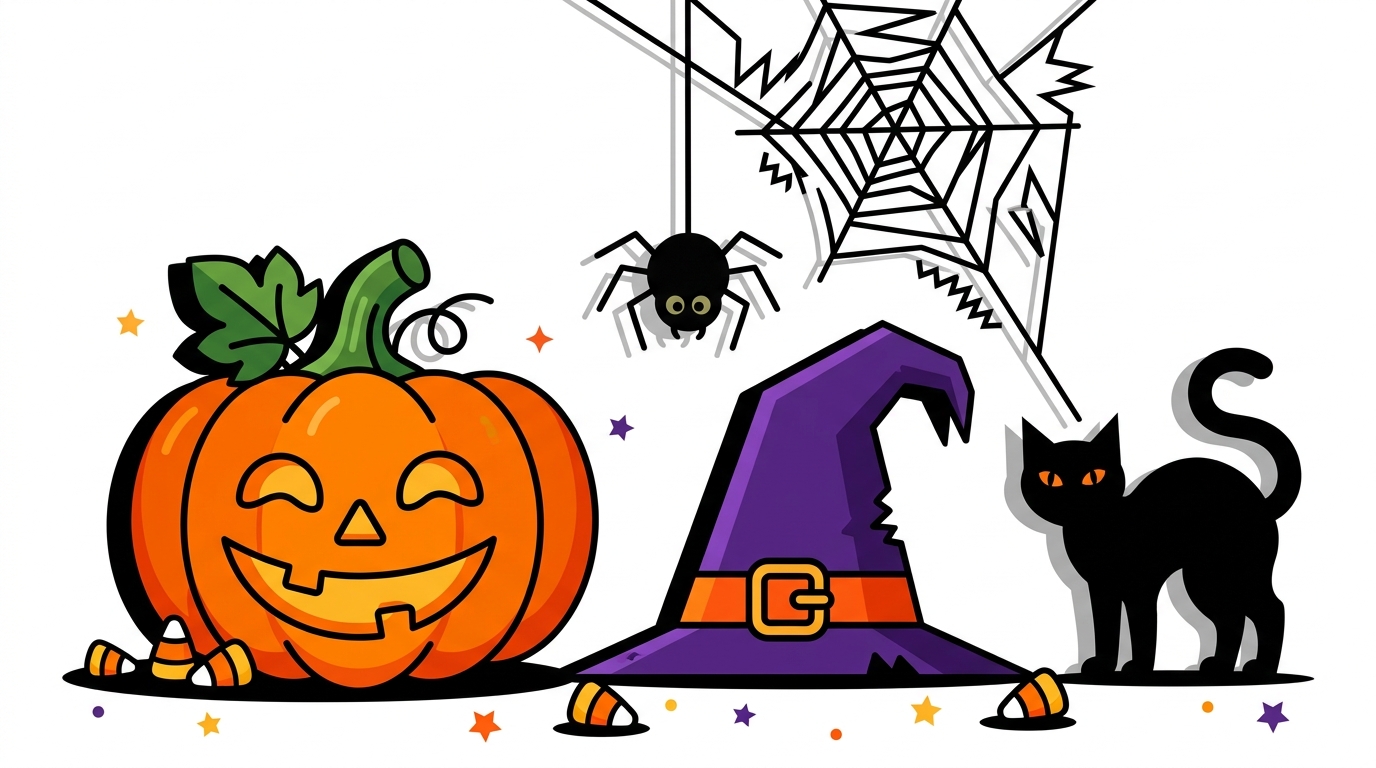
Pumpkin, witch, ghost, bat, spider, skeleton, mummy, vampire, werewolf, gravestone, black cat, jack-o-lantern, candy, costume, haunted house, and many more. We cover both classic-creepy and child-friendly-fun.
The lights dim in the community center as paper rustling fills the air. Children dressed as miniature zombies and sparkly witches clutch their daubers, eyes fixed on their bingo cards dotted with jack-o-lanterns and black cats. This is Halloween bingo, where the timeless appeal of the classic game meets the spine-tingling magic of All Hallows' Eve. Halloween's roots stretch back over two thousand years to the ancient Celtic festival of Samhain, when people believed the boundary between the living and the dead grew thin. Irish and Scottish immigrants brought these traditions to North America in the 19th century, where they evolved into the candy-fueled, costume-wearing celebration we know today. The imagery we associate with Halloween—carved pumpkins, prowling black cats, bubbling cauldrons—carries centuries of folklore, superstition, and seasonal harvest symbolism. These iconic symbols make perfect bingo content because every player, from preschoolers to grandparents, instantly recognizes a grinning skeleton or a pointy witch's hat. In elementary school classrooms during the final week of October, teachers use Halloween bingo as an educational wind-down activity. Second and third graders practice pattern recognition and listening skills while getting their wiggles out before the holiday break. The game keeps twenty-five excited seven-year-olds engaged for thirty focused minutes—no small feat when sugar and costume anticipation run high. At family Halloween parties with twelve to twenty guests spanning three generations, bingo becomes the equalizer that gets Great-Aunt Martha playing alongside her great-nephew dressed as a dinosaur. The game requires no physical agility, no prior knowledge, and no reading skills if you're calling items by showing pictures. Corporate HR managers have discovered Halloween bingo as an accessible team-building activity for workplace celebrations, where it breaks the ice between departments without requiring employees to commit to elaborate costumes or complex games. Parents planning home parties benefit from Halloween bingo's minimal setup and maximum engagement. Teachers appreciate the calm focus it brings to otherwise chaotic classroom celebrations. Event planners and activity coordinators value its scalability—the game works equally well for eight players in a living room or eighty at a community center. Youth group leaders, retirement home activity directors, and church festival organizers all turn to Halloween bingo because it delivers reliable fun with predictable timing and minimal rules explanation.
Start by printing one unique bingo card per player—our generator ensures no two cards are identical, which keeps the game fair and exciting. For markers, embrace the Halloween spirit: miniature candy corn pieces work beautifully and double as snacks after the game, or use small plastic spiders and bat rings from party supply stores. For older kids and adults, orange and black daubers or even small skull erasers add thematic flair. Keep all markers in a Halloween bucket or cauldron for easy distribution. The classic rules work perfectly: call out items randomly while players mark matching squares on their cards. The first player to complete five in a row—horizontally, vertically, or diagonally—shouts 'Boo!' instead of 'Bingo!' for added Halloween atmosphere. For a quicker game with younger children, try Blackout mode where players must cover every square on their card; this extends gameplay and keeps everyone engaged even after the first winner. Alternatively, play Four Corners where only the four corner squares need to be covered—this speeds up rounds considerably and works well when you're rotating through multiple games during a party. For typical Halloween settings, we recommend five-by-five cards (25 squares) for groups of eight to thirty players. This size offers enough variety to prevent simultaneous wins while keeping games short enough that younger attention spans don't wander. Three-by-three cards work better for preschoolers or very quick rounds between other activities. Plan for seven to twelve minutes per standard round, or three to five minutes for Four Corners variants. At classroom parties, play three rounds back-to-back during a thirty-minute activity block. At home parties, position bingo between pizza and cake, or while waiting for all trick-or-treaters to arrive. Keep called items visible on a display board so players can verify their cards—this prevents disputes and helps children who might have missed a call.
These twelve iconic Halloween images appear on our cards, each carrying its own spooky story:
Team Haunted House mode splits players into groups of three or four, perfect for larger classroom or community parties. Each team shares one large bingo card displayed on an easel or pinned to a wall, and team members take turns marking squares. This collaborative approach helps younger or less confident players participate without pressure, and the team celebration when someone calls out a match creates wonderful energy. Award prizes to the entire winning team—perhaps a bag of candy they can divide amongst themselves. For winning patterns beyond the standard five-in-a-row, try Halloween-specific shapes that add visual excitement: the Jack-o-Lantern (four corners plus center square), the Witch's Hat (top row plus center column), or Haunted House (outer edge perimeter). These pattern variations extend gameplay and add an extra challenge for older kids or adult players who might find standard bingo too easy. Display a poster showing the required pattern before each round so everyone understands the goal. Prize selection makes or breaks Halloween bingo's appeal. For children's parties, stock up on Halloween-themed small toys: glow sticks, vampire fangs, spider rings, sticker sheets, and mini flashlights work perfectly. Full-size candy bars feel special without breaking your budget. For adult gatherings, consider Halloween-themed items like decorative candles, cocktail napkins, or small bottles of pumpkin spice spirits. First-place winners receive premium prizes, while second and third place get consolation prizes so multiple players feel rewarded. Keep a bowl of participation candy so even non-winners leave happy. For hybrid or virtual Halloween parties, use our generator to create digital cards that players view on their devices during video calls. The host shares their screen showing called items, or uses a random number generator to call squares. Players can mark their digital cards with annotation tools, or print cards at home and hold them up to their webcams when they win. This format worked brilliantly during recent years and remains popular for families separated by distance who want to celebrate Halloween together. Consider mailing small prizes to remote winners beforehand, or offer digital gift cards as instant rewards.
The only online bingo generator with AI, Spotify Web Playback, live caller AND scoreboard. For schools, parties, corporate events and music bingo nights.